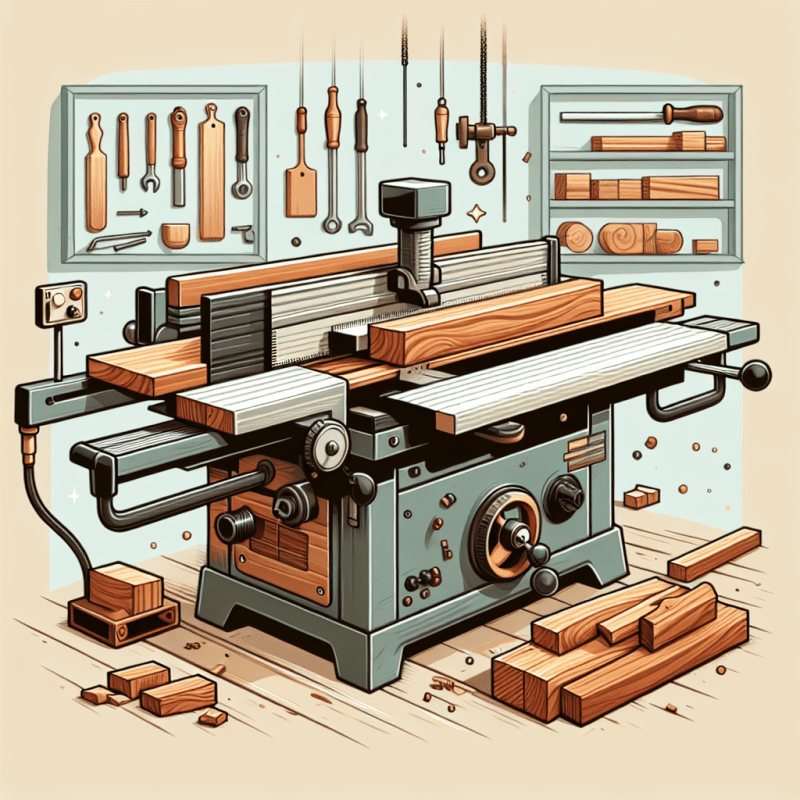
Picking the right woodworking planer is key for achieving that smooth, professional finish on your projects. If you’re new to planers, there are a few things to keep in mind. First off, consider the type of work you’ll be doing. Are you flattening rough lumber for a big build or just tidying up some edges? Your needs will help steer your choice.
Next, think about the size and weight of the planer. If you're working in a small shop or have to move your tools around often, a portable model might be your best bet. On the other hand, if you have the space and need precision, a heavier, stationary planer will give you more stability and power.
Don’t forget about the cutting capacity. A planer with a wider blade can take off more material in one pass, which speeds up your workflow. But if you mostly work with smaller pieces, a narrower blade might be all you need. Check the maximum thickness of lumber the planer can handle, too — it’s frustrating when your projects don’t fit!
Lastly, look into the features that will make your life easier. Digital thickness displays can help you get exact measurements, while dust collection systems keep the mess to a minimum. Some planers even come with built-in safety features to protect you while you work. Investing in the right features can save you time and headaches down the road.
Understanding Different Types of Planers
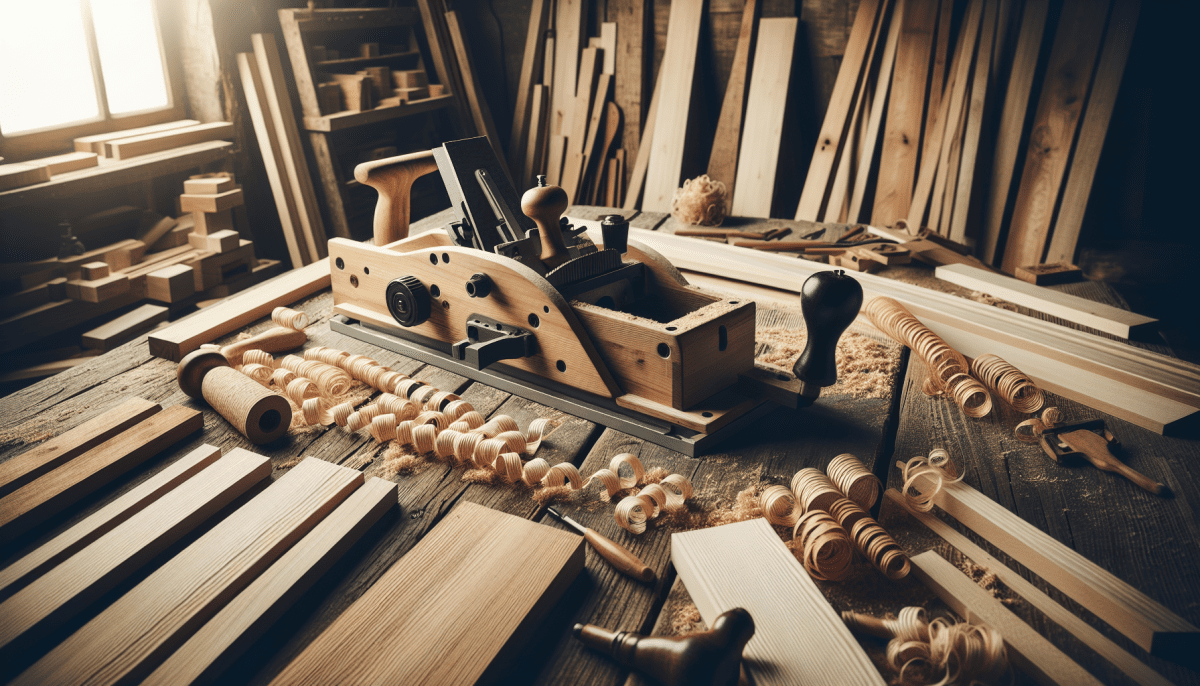
First up, we have the hand planer. This classic tool has been around forever and is perfect for smaller tasks. It’s lightweight and easy to control, making it great for beginners or for those who enjoy a more hands-on approach. You can use it to smooth out rough edges or fine-tune details on your projects.
Next, there’s the benchtop planer. This doesn't take up too much space and packs a punch when it comes to efficiency. It's great for thicker pieces of wood, allowing you to easily adjust the thickness as needed. If you're working on furniture or cabinetry, a benchtop planer will give you that smooth surface you want.
If you're looking to boost productivity, a spiral cutterhead planer might be your best bet. This type is a game-changer for those who work with different types of wood. The spiral blades provide a cleaner cut and reduce tear-out, which means you get a smoother finish with less effort. It’s a bit of an investment but worth it if you plan on doing a lot of woodworking.
Lastly, we can't forget about the thickness planer. This tool is specifically designed to give you the exact thickness you need for your wood pieces. With its adjustable settings, you can crank out perfectly uniform boards in no time. If consistency is your goal, the thickness planer is a must-have in your workshop.
Tips for Using a Woodworking Planer
Using a woodworking planer can transform your projects, giving you those smooth, flawless finishes we all dream about. Here are some friendly tips to help you get the most out of your planer.
First off, make sure you’re starting with clean wood. Any dirt, dust, or debris can mess with the quality of your finish and even damage your blades. Give your timber a good wipe down before you start. It’ll save you headaches later on.
Next, always check the settings! Adjust the depth of cut slowly to avoid taking off too much material at once. A thinner cut gives you a better finish and is easier on your machine. Too deep can lead to tear-out and ruin that smooth surface you're aiming for.
Also, remember to alternate the direction of your cuts. Going against the grain can cause splintering, so try to work with the grain and switch things up occasionally. This will help keep the fibers intact and give you that nice, clean edge you want.
Lastly, keep an eye on your blades. Dull blades make your job harder and can ruin your wood. If things start to feel rough, it’s time to change or sharpen those blades. A little upkeep goes a long way in ensuring you get perfect finishes every time.
Maintaining Your Planer for Longevity
Keeping your planer in top shape is key to achieving those flawless finishes you’re after. A little maintenance goes a long way! Here are some simple tips to keep your tool running smoothly.
First up, regular cleaning is a must. Wood shavings and dust can pile up quickly, and they can interfere with your planer’s performance. Make it a habit to wipe down the blades and surfaces after each use. A quick brush or cloth can work wonders to keep everything tidy.
Next, check the blades. Dull blades can ruin your project and make your job harder than it needs to be. If they start to feel less effective, it’s time to sharpen or replace them. Investing in a good sharpener can save you money in the long run and keep your cuts crisp.
Don’t forget about proper storage! When you’re not using your planer, keep it in a dry place, away from moisture. A cover can also protect it from dust and accidental bumps. Keeping it safe means it’ll be ready to go whenever you are.
Finally, take a moment to inspect the power cord and plug. Frayed cables can be a safety hazard, and you want to avoid any electrical issues. A quick check can prevent bigger problems down the line.