Picking the right table saw can feel overwhelming, but it doesn't have to be. Think about what you'll be using it for. Are you a hobbyist making small projects or a pro handling bigger jobs? Your needs will guide your choice.
First off, consider the saw's power. Generally, a motor between 1.5 to 2 horsepower works well for most DIY tasks. If you're planning to cut thicker or tougher materials, look for something with a bit more muscle. Just remember, more power often means a higher price tag.
Next, check the blade size. A standard table saw usually takes a 10-inch blade, which is perfect for a variety of cuts. If you want flexibility, make sure the saw allows for easy blade changes. A good blade can make a world of difference in the quality of your cuts.
Portability is another key factor. If you’re tight on space or plan to move your saw around, lightweight options are the way to go. On the flip side, a heavier saw generally offers stability, but keep in mind your workspace and how much mobility you need.
Lastly, don’t skip safety features. Look for guards, anti-kickback devices, and emergency stop buttons. They might seem like small details, but they make a big difference in keeping you safe while you work.
Key Features to Look For
When you’re on the hunt for a table saw, there are a few key features that can really make a difference when it comes to your woodworking experience. You don’t want to end up with a tool that doesn’t meet your needs, so here’s what to keep an eye out for.
1. Blade Size: Most table saws come with either 10-inch or 8-inch blades. A 10-inch blade is versatile and can handle larger cuts, making it a great choice for most projects. If you’re into finer, more detailed work, you might find an 8-inch blade suits your needs just fine.
2. Motor Power: Look for a saw with at least 1.5 horsepower if you plan to cut through thicker materials. An underpowered motor can struggle and lead to rough cuts, which no one wants. A powerful motor ensures smooth and consistent cuts every time.
3. Safety Features: Never underestimate safety! Features like blade guards and anti-kickback pawls are essential. Some saws even come with smart technology that can detect when your skin comes in contact with the blade and will stop it instantly. It’s a small investment for your peace of mind.
4. Adjustability: A good table saw should allow for easy height and angle adjustments. This flexibility makes it a breeze to switch between different cuts, like bevels and dados. Look for models with clear measurement guides to help you get it just right.
Safety Tips Every Woodworker Should Know
Safety should always be your top priority when using a table saw. It’s powerful and can be tricky if you’re not careful. Here are some solid tips to keep you safe in your woodworking adventures.
First, wear the right gear. Safety glasses are a must to protect your eyes from sawdust and flying debris. Hearing protection can save your ears from the loud noise. Don’t forget gloves that offer a good grip, but avoid the kind that are too bulky, as they can get caught in the blade.
Always keep your workspace clean. Cluttered areas can lead to accidents. Make sure you have enough room to move around without tripping. Sweep up sawdust and wood scraps regularly to keep your focus on the cut, not on dodging junk.
Check your saw before each use. Make sure the blade is sharp and properly aligned. Dull blades can cause kickback, which is super dangerous. If something seems off, don’t hesitate to ask for help or consult the manual.
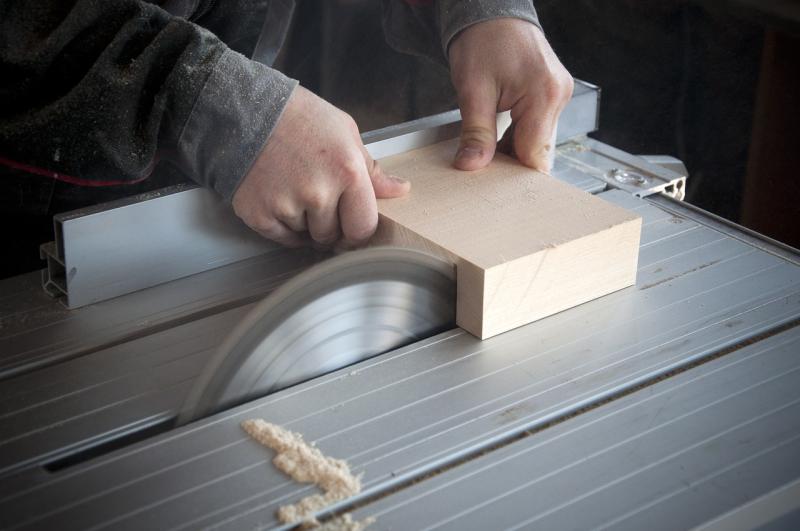
Lastly, use proper techniques. Keep your hands away from the blade, and always use push sticks or featherboards for added safety. Never reach over the blade while it’s running. If you follow these tips, you'll have a safer, more enjoyable woodworking experience.
Maintaining Your Table Saw for Longevity
Keeping your table saw in top shape is key to getting smooth, accurate cuts. A little maintenance goes a long way to ensure it works well for years. Here are some easy steps you can follow.
First off, always clean your table saw after each use. Dust and wood chips can pile up quickly and affect how well it operates. Grab a soft brush or a vacuum and give it a good clean. Make sure to pay attention to the blade and the area around it. This will prevent buildup that can lead to problems down the line.
Next, check the blade regularly. A dull blade can mess up your cuts and put extra strain on your saw. If you notice it's not cutting smoothly, it might be time to sharpen or replace it. Keep a few extra blades on hand so you can swap them out without waiting.
Don’t forget to lubricate key parts of your saw. The table’s rails and the blade mechanism need some oil now and then to stay smooth. Just a little dab of machine oil can make a difference in how easily everything moves.
Finally, inspect the electrical components and cords. Look for any frays or damage. If something doesn’t look right, get it checked out before using the saw again. Safety comes first, and keeping everything functional ensures you're working in a safe environment.