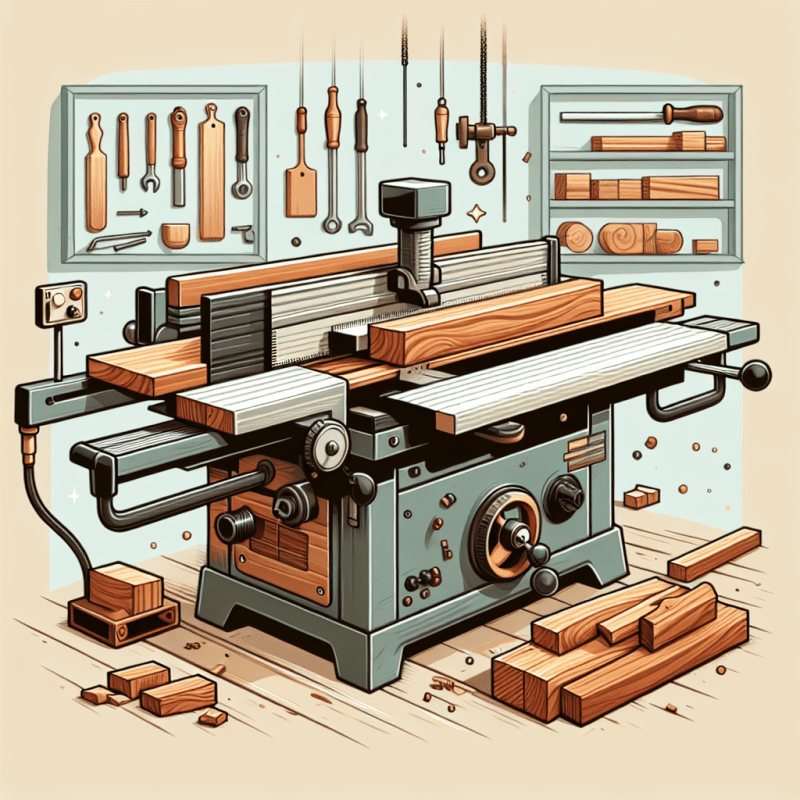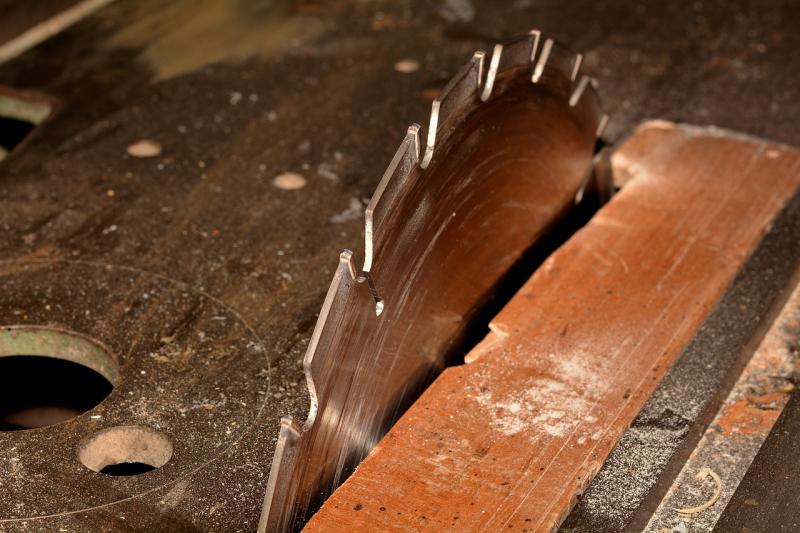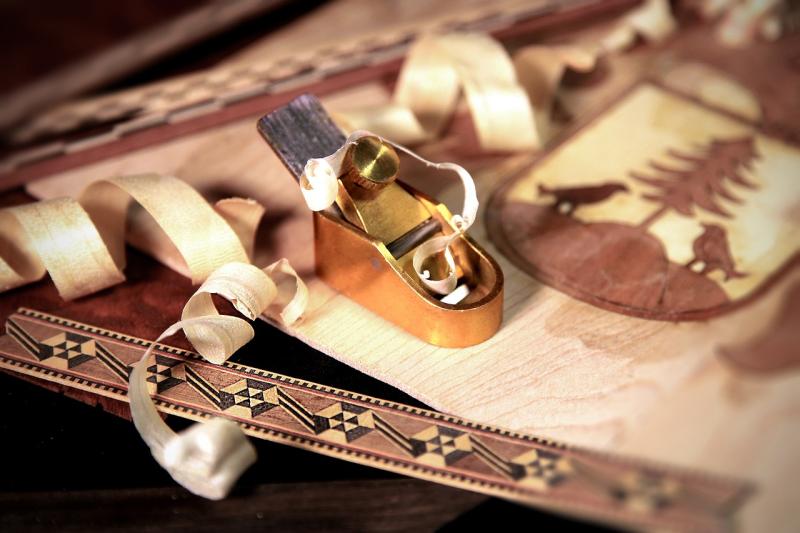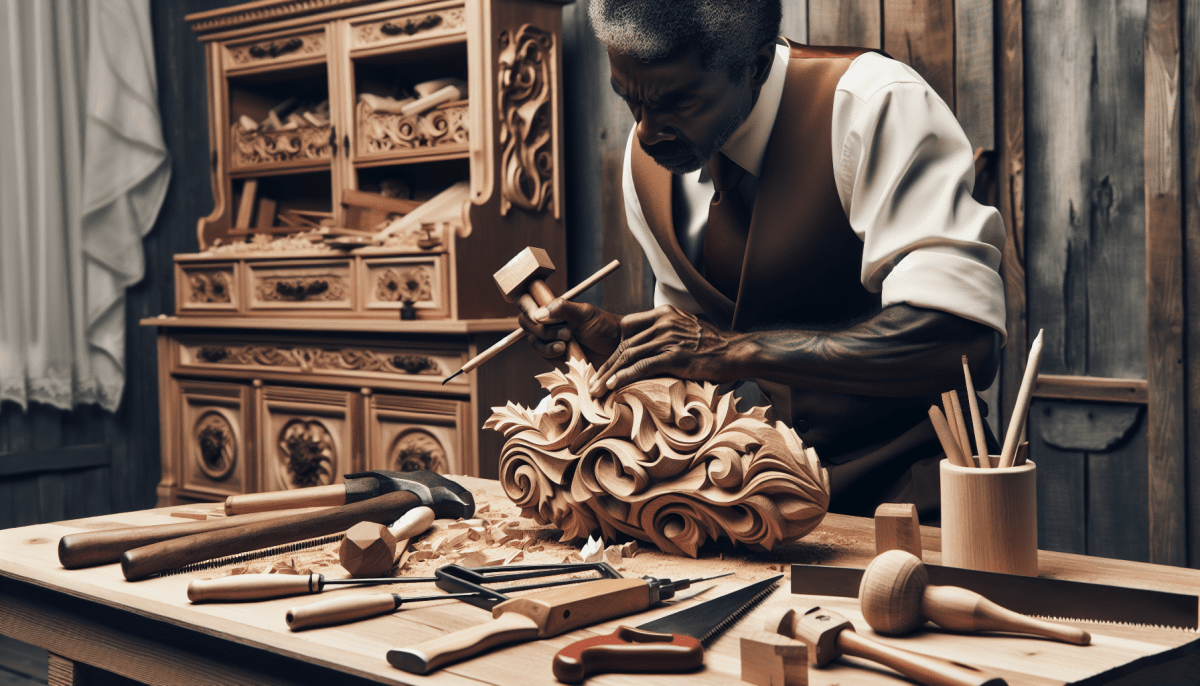
Jumping into woodworking doesn’t have to be overwhelming. Start with the basics and build your toolkit as you go. Here’s a list of essential tools every beginner should consider:
As you get comfortable with these tools, don't hesitate to experiment. Start with simple projects like a small shelf or a birdhouse. This helps you build confidence and skills over time. You'll soon find that woodworking is all about practice and making adjustments along the way!
And remember, safety first! Always wear protective gear, like safety glasses and hearing protection, especially when using power tools. Keeping your workspace organized and clutter-free also makes a big difference in staying safe and focused.
Essential Techniques for Beginners
Starting out in woodworking can feel a bit overwhelming, but it doesn't have to be! There are a few essential techniques that will help you find your groove and build some solid projects. Let’s dive into some must-know skills that every beginner should have under their belt.
First up is measuring and marking. Accurate measurements can make or break your project, so get yourself a good measuring tape and a reliable square. Always double-check your measurements before making cuts. A little extra time spent here will save you a lot of frustration later.
Next, familiarize yourself with basic cuts. The three main types of cuts you'll want to master are crosscuts, rip cuts, and the miter cut. Crosscuts go across the grain; rip cuts run with the grain, and miter cuts help you create those nice angled corners. Practice these cuts to gain confidence with your saws.
Joinery is another key area to explore. Simple joints like butt joints, lap joints, and pocket holes can connect pieces of wood securely without complicated techniques. Don’t rush through this. Solid joinery is crucial for strong and durable projects.
Lastly, sanding and finishing will really bring your pieces to life. Start with a rough sandpaper to smooth out edges and get rid of any blemishes, then work your way to finer grits for that polished look. And don't forget to choose a finish that suits your project—whether it’s oil, stain, or paint, it can change the whole vibe!
Creative Projects to Try Now
If you’re itching to dive into woodworking, there are plenty of fun projects to kickstart your journey. You don’t need to be a pro to create something amazing. Here are some creative ideas to get your hands dirty and your imagination flowing.
1. Simple Wooden Bench
Building a simple bench is a great starter project. You’ll learn how to cut and assemble wood without getting overwhelmed. Plus, it’s super useful for your porch or garden. Just grab some sturdy 2x4s and follow a basic plan. You’ll feel proud when you see it in use!
2. Rustic Picture Frame
A rustic picture frame is perfect if you want to add a personal touch to your space. It’s easy to make and lets you get creative with different finishes. Use reclaimed wood for that unique look. The best part? You can make one for every room in your home.
3. Bookshelf
Got a small collection of books? Why not build a bookshelf? This project lets you practice cutting, drilling, and sanding. You can customize the size to fit in any nook or corner. Plus, every time you reach for a book, you'll feel that sense of accomplishment.
These projects are not just fun; they’re ways to learn and improve your skills. So gather your tools, pick a project, and let's get started. You’ll amaze yourself with what you can create!
Tips for Improving Your Skills
Improving your woodworking skills can be a fun journey! Here are some practical tips to help you level up your game.
First off, practice makes perfect. Grab some scrap wood and just start cutting, shaping, or assembling. Don’t worry about making mistakes; every slip-up is a learning opportunity. The more you work with wood, the better your skills will get. Plus, it’s a great way to build confidence!
Next, ask for feedback. Find a local woodworking community or join online forums. Share your projects and get input from others. It’s a friendly way to learn and can spark new ideas about techniques or styles you hadn’t considered. You never know, some seasoned woodworker might have tips that will blow your mind!
Also, make use of online tutorials. There are tons of videos out there that show everything from basic cuts to intricate designs. Watching someone else do it can really clarify tricky techniques. Just remember to pause and practice what you see before moving on!
Lastly, invest in the right tools. You don’t have to buy the most expensive gear, but having good-quality tools makes a world of difference. Sharp blades and sturdy machinery will play a big part in how easily and well you work. Spend a bit of time researching what tools will suit your projects best, and you’ll see your skills improve faster.